
Condolences and debriefs
Finding my research taking me to the National Archives I saw mainly copies of telegrams, memos and messages ensuring that the families were informed – with very scant detail – and, in the survivors’ case, the category (“serious” / “dangerous”) of their injuries, and the dates of their being deemed “out of danger.” There’s a little correspondence about funeral arrangements made by my grandfather, and the condolence letter sent to Reg’s father by the Officer Commanding, Wellesbourne Mountford.
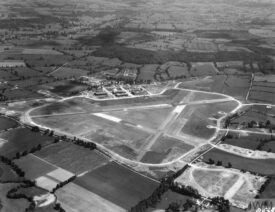
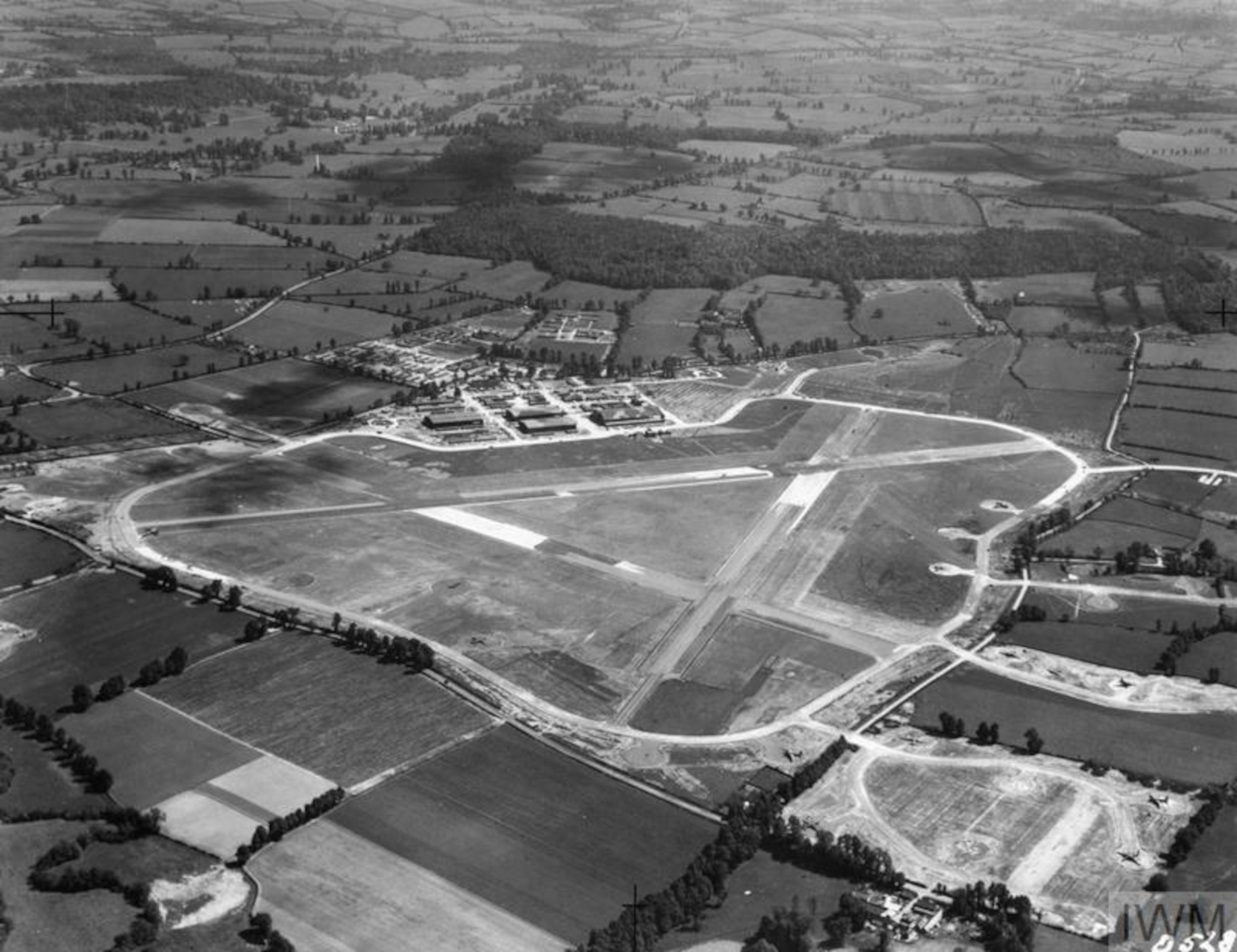
Of greatest interest was the sheet recounting the de-brief of the survivors, establishing the cause of the crash as failure of the starboard engine – probably due to the mixture being too weak – between 500 and 1,000 feet, with inability of the pilot to maintain height on the circuit. “It would appear that the pilot may have regained the aerodrome had it not been for the high ground in the immediate vicinity.” This was the sheet to which I gave most attention, and I left the National Archives to walk to Reg’s grave with my curiosity largely satisfied, the only regret being the lack of a grid reference.
Decoding Compton Verney grid numbers
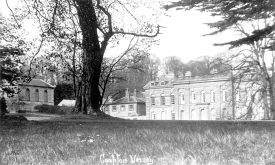
It was well over a week later, when reviewing the photos I’d taken, that I saw that a grid reference was not lacking after all. Because I knew that around Compton Verney the eastings begin with three and the northings begin with five, I must have paid insufficient attention at first to a clump of six figures beginning with a seven, on the second line of a sheet titled “Action Copy.” Line one clearly stated O.S. sheet 82. If these were grid numbers, why were they wrong?
My enquiry of the Ordnance Survey yielded little of use, but when I told Mark Evans of MARG about it, he immediately told me that this was a reference on the “Cassini” or “purple” grid that was still in use on OS maps during the second world war. That organisation had begun work on replacing the Cassini grid with the one we see today, but the outbreak of war caused the suspension of that project for a few years.
So I now know to within a hundred metres or so where Reg died, “just as surely in the service of the Empire as if he had met his end over enemy territory,” to quote the Group Captain, Wellesbourne; and I know that the placement of my aunt’s ashes was well within a kilometre of there, if that was what she wanted.
References
Warwickshire time trail MWA20378
Canadian Virtual War Memorial site
Details of the crash 28/1/1942
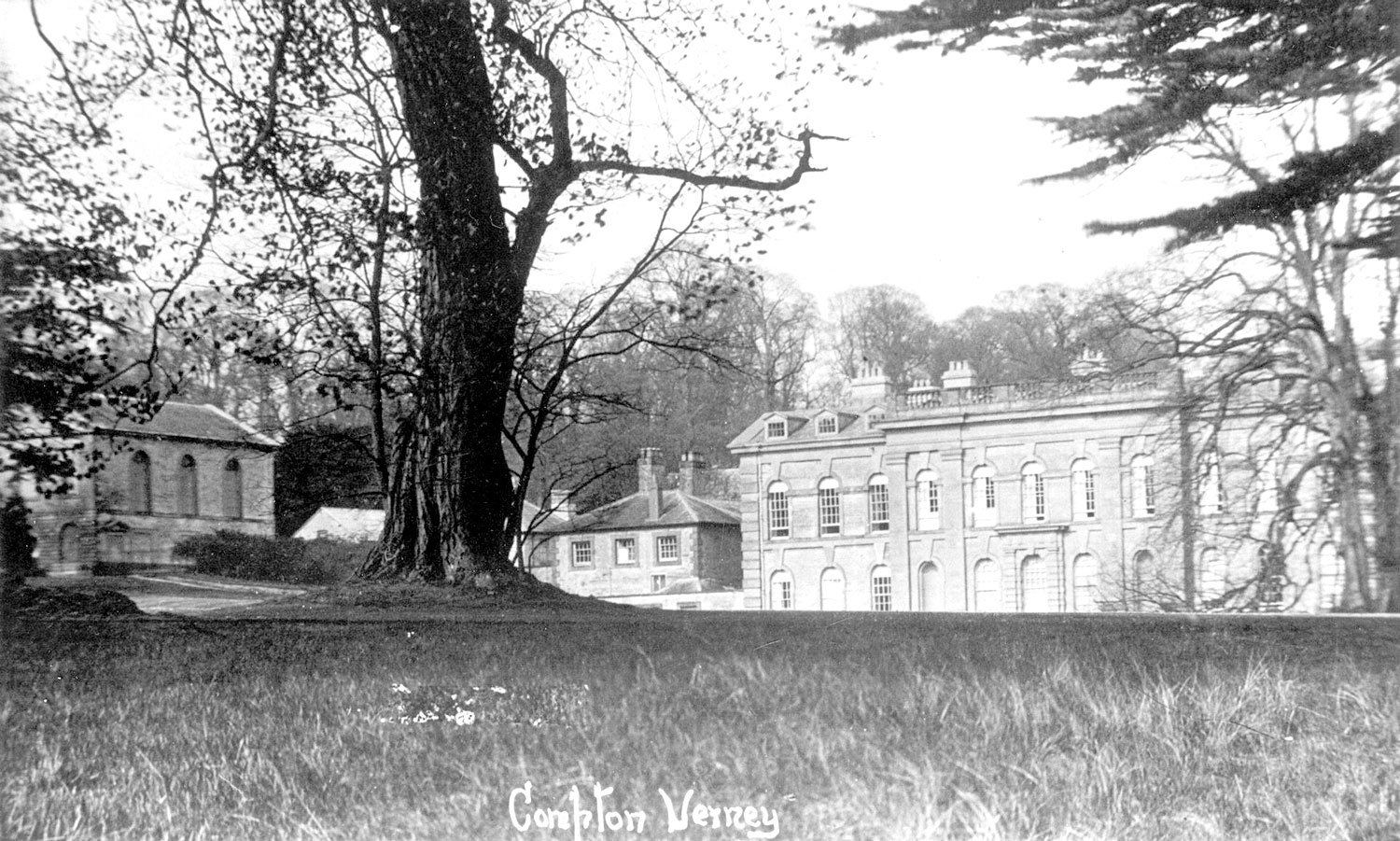
Reported crash site just south west of Compton Verney house (MWA20378) of Wellington (X9935) from 22 OTU Wellesbourne, which crashed 28th January 1942. engine failure. One killed – the pilot, Sgt R H Vearncombe RCAF. Sgt Haines, P/O Robson, P/O Robinson, Sgt Fletcher ,Sgt Dawe and Sgt Edwards were all injured.





Comments
The Old Standard Triumph Buildings – Our Warwickshire
Add a comment about this page