
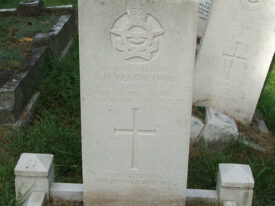
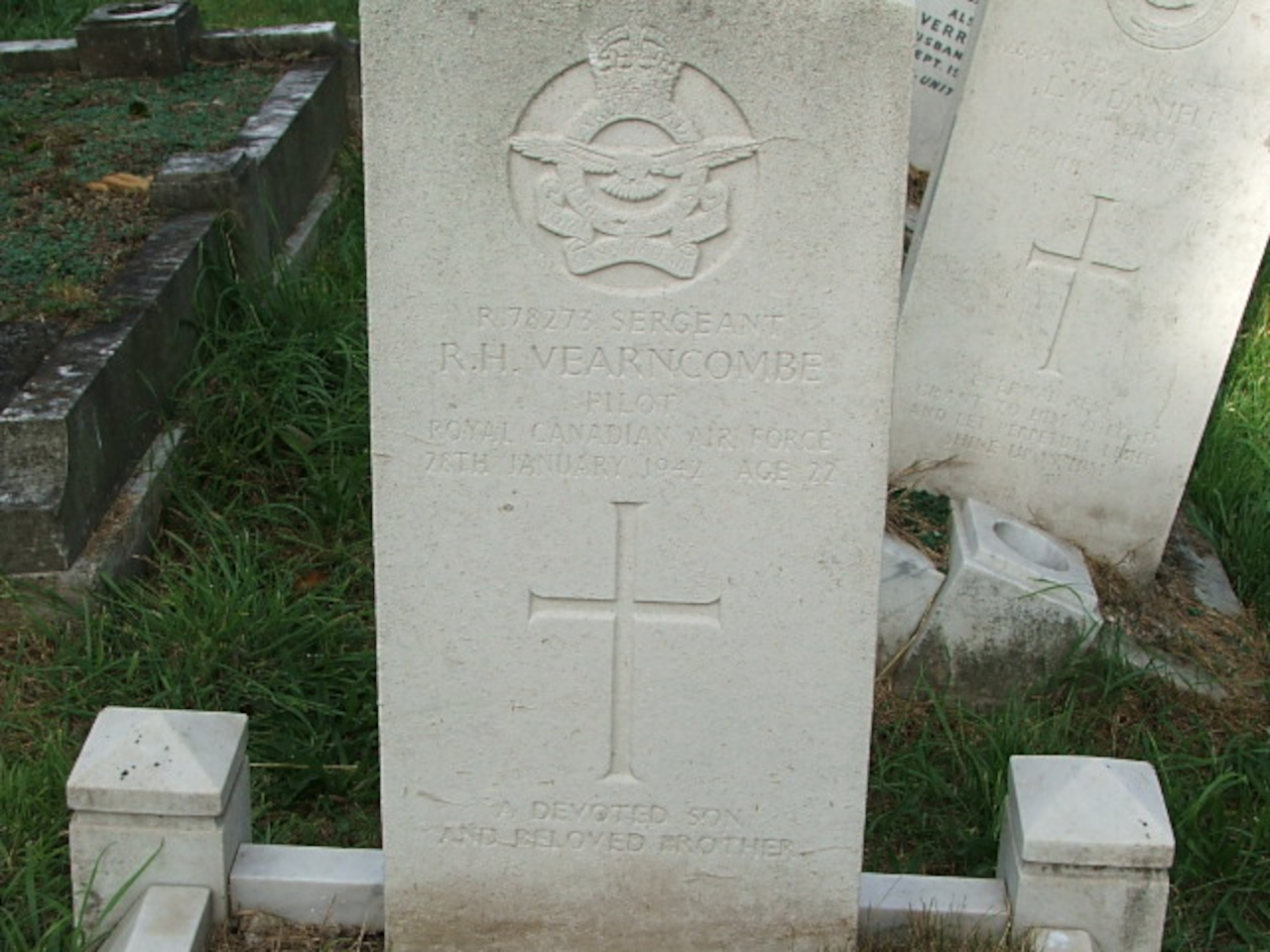
Last February, the notion came into my head to research if any new information had come to light about the wartime Wellington bomber crash in Warwickshire in which “Cousin Reg,” aged 22, was the only fatality. I call him that, following my father’s and aunt’s example. To me he would have been an uncle. He was RCAF, from Toronto, Canada, and well into the 1960s his family sent not only Christmas cards but also American ‘Life’ and ‘Post’ magazines over the Atlantic to my grandmother.
The Wellesbourne link
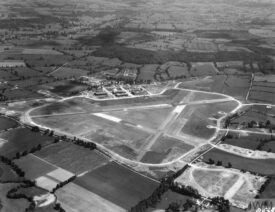
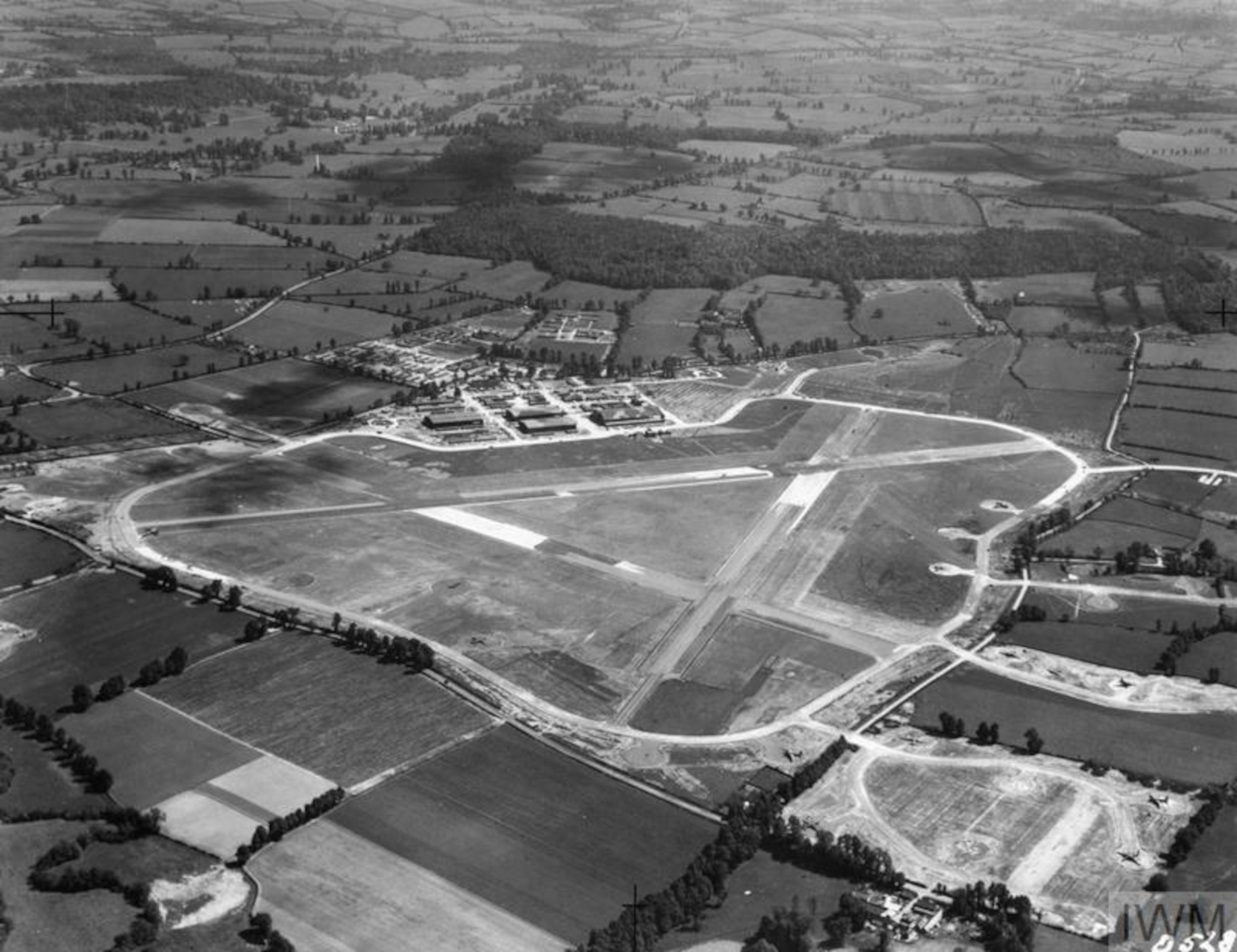
On wartime leave, he would stay at my grandparents’ home in Fulham, with my father and aunt. The Canadian virtual war memorial contains information that he had flown a few ops over occupied Europe, but he was based at Wellesbourne Mountford and gave aircrew training. My aunt, who became a Warwickshire head-teacher and lived until 2010, wanted her ashes to be scattered at or near that airfield. She had evidently formed quite an attachment to her cousin.
My quest started with an internet search: “Wellington Bomber crash, Compton Verney.” Up came an article in this very magazine, describing a crash between the house and the lake there; but with no survivors. That happened in 1943. Cousin Reg died in 1942.
Coincidences – Wellesbourne and Compton Verney
My year has been one of noticing several coincidences: two crashes, both Wellingtons on night exercises out of Wellesbourne; both caused by the failure of one engine; both occurring at Compton Verney; and both planes catching fire on impact. My research took me to the National Archives, Kew, and Cousin Reg’s grave was just a short walk from there, in North Sheen Cemetery. 15 years ago I scattered my Aunt’s ashes in Bowshot Wood (in line between the airfield and Compton Verney) having exchanged an e-mail or two with the Midland Aircraft Recovery Group1.
What I most wanted was greater precision as to the crash site, and any details of how it happened – a map reference would be ideal. MARG guided me to their lists of crashes for 1942 and 1943, in which the planes’ unique identifier numbers appear, and crucially, told me about a series of files that had been released into the National Archives since my last involvement. The AIR 81 series concerns crashes, and consists of individual files for those same numbers. My quest was only just beginning.
1 To that group I am extremely thankful for further help, upon the recent resumption of my enquiries. I am also grateful to Hilary Calow, archaeology volunteer at Compton Verney Art Gallery and Park.





Comments
Add a comment about this page