
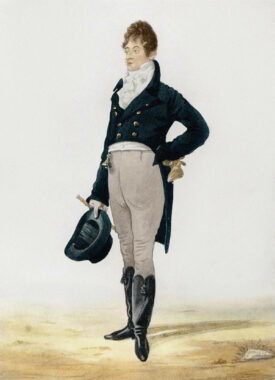
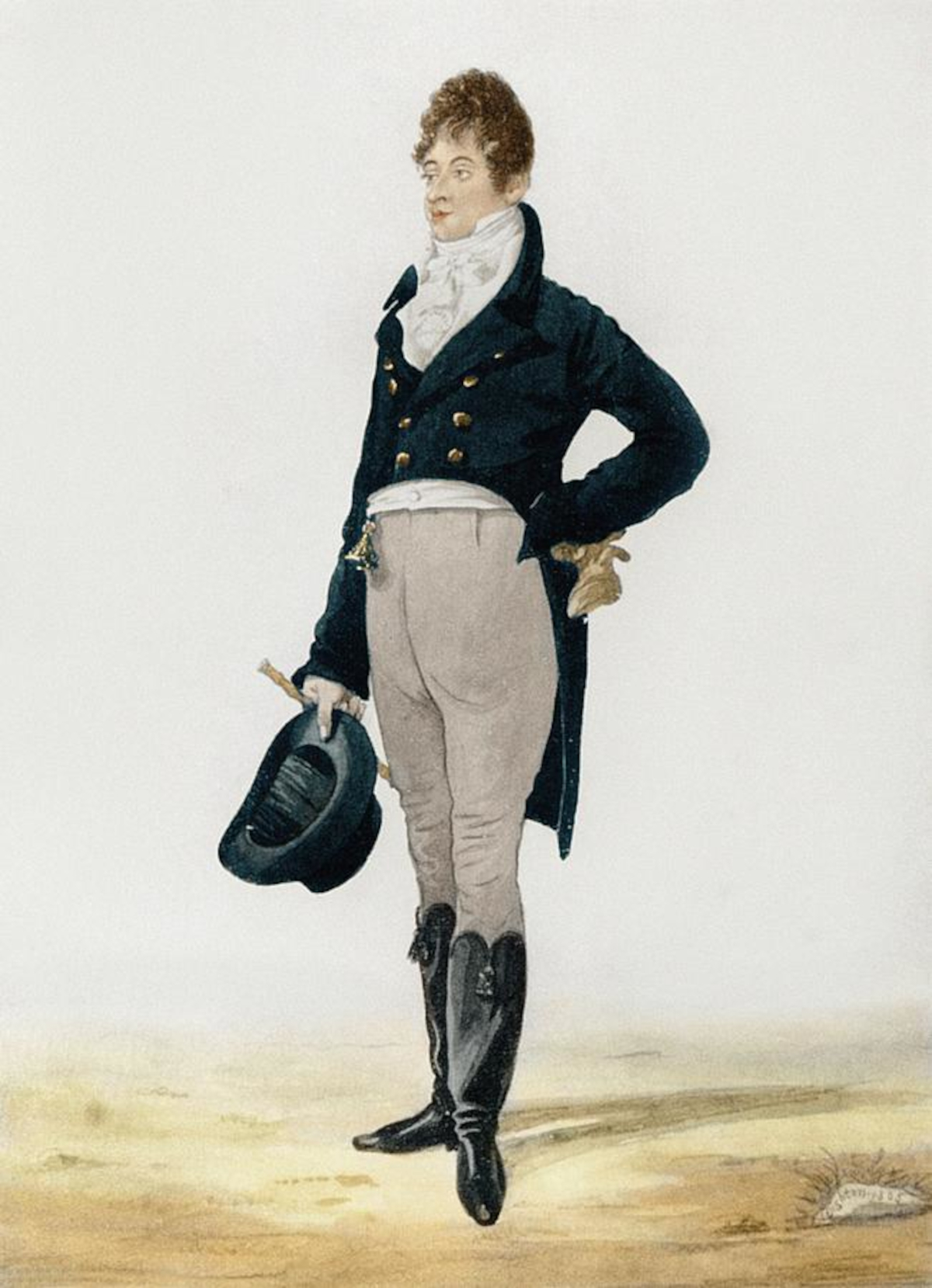
George Bryan Brummell, better known as Beau Brummell, was the ultimate dandy and leader of men’s fashion during the Regency era. His was a life lived in two parts: his first 38 years were predominantly a life of lavish excess in London society, while his later years were spent in ever increasing poverty in the north of France. With this in mind, you may be wondering why an article about him would appear on a website about Warwickshire. Until recently, we would have asked the same question, but several letters written by Brummell were uncovered during the cataloguing of the Greville Family of Warwick Castle collection at Warwickshire County Record Office.
A complicated relationship
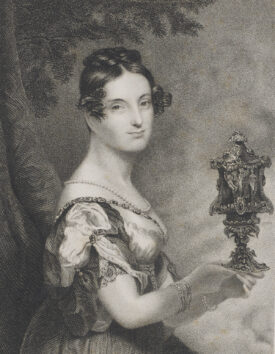
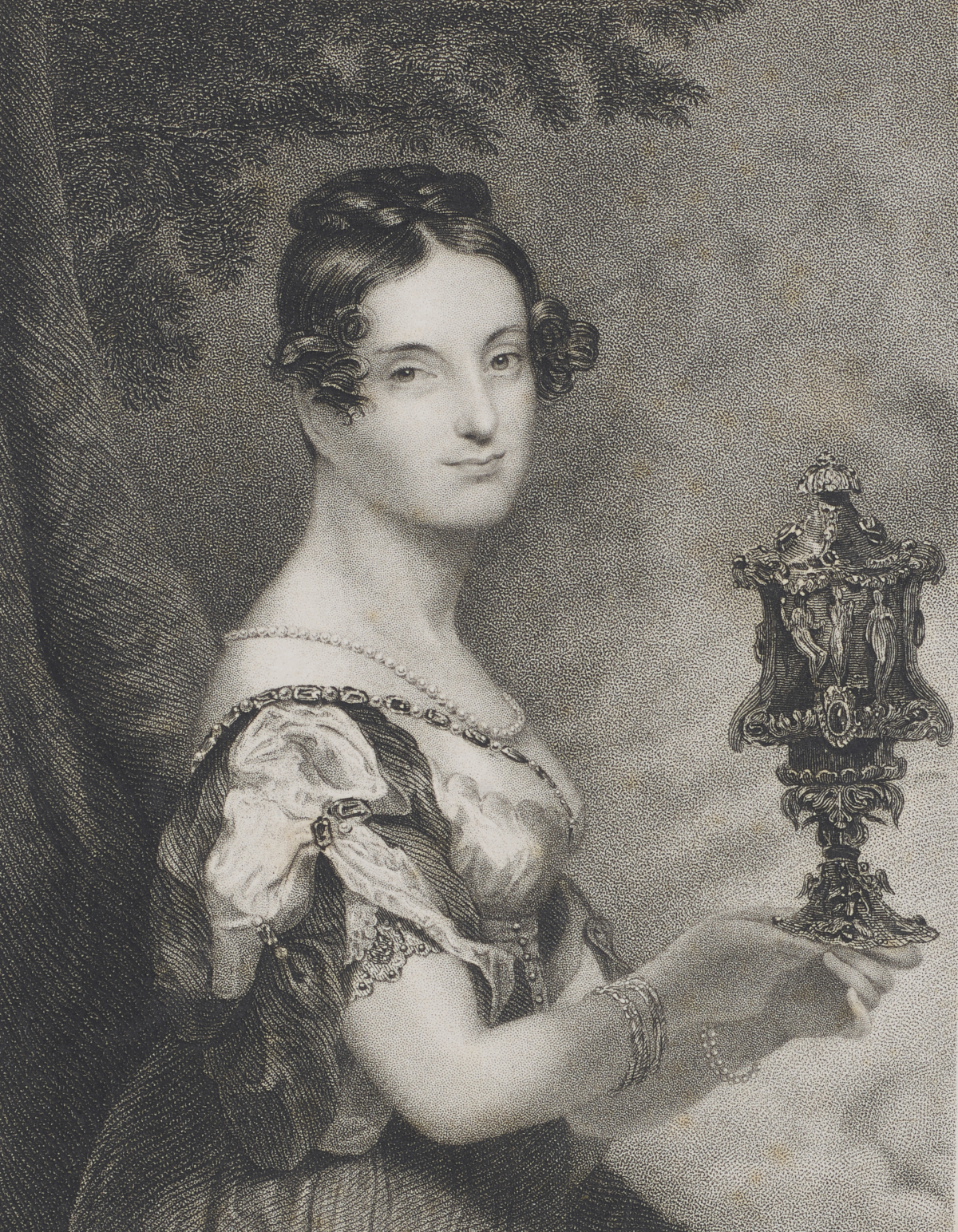
The letters were written to Lady Sarah Savile, a beautiful and fashionable young lady eight years his junior. They reveal the story of a complicated relationship spanning the social divide; Sarah was the daughter of an earl, while Brummell was the son of a middle-class social climber. Through the letters, we can tell that the pair had made each other promises, presumably of marriage, but their relationship was cut short by her mother, the Countess of Mexborough, who no doubt wanted a better match for her daughter. Despite their separation, Brummell was anxious to rekindle their romance several years later, as we can see in this letter that was seemingly written in the leadup to Sarah’s marriage to John George, 4th Baron Monson in 1807. He wrote:
Do not imagine that I am capable of dissembling with you by the affected display of feelings which do not exist, or, that their present ascendancy over every thought and object of my life, will be but of transient date; no, no, you are the only being who I ever really loved, and the same sincere and devoted affection which I have ever cherished will remain undiminished whatever may be its future fate.1
The horror of cabbage
Brummell was widely known for his shallow and fleeting relationships, apparently breaking off an engagement to one woman after he found out she ate cabbage.2 However, his hopes to be with Sarah seemed to have been rather more long-lasting. When Lord Monson died in 1809, Brummell reappeared on the scene with hopes to marry the now wealthy widow.3 Sadly for him, it was never to be – when she remarried it was to Henry Greville, 3rd Earl of Warwick. By this time, Brummell had lost the favour of the Prince Regent and accrued enormous debts he was unable to pay, forcing him to flee to France in 1816.
Was it true love? Unfortunately, we will never know for certain. But there are two things we do know: the first is that this letter must have meant something to Sarah as she kept it safely for the rest of her life, bringing it to Warwick Castle after her marriage to the Earl of Warwick. The second is that a letter holder Sarah had embroidered for Brummell was among the prized possessions he took with him when he fled the country, a treasured memento that he kept for over 30 years.4
References
1 Warwickshire County Record Office reference CR1886/619/42
2 Captain Jesse, W. (1844) The Life of Beau Brummell. 1927 edn. Volume 1, p.93. London: Privately printed for subscribers.
3 Warwickshire County Record Office reference CR1886/753/34/13
4 Captain Jesse, W. (1844) The Life of Beau Brummell. 1927 edn. Volume 2, p.217. London: Privately printed for subscribers.





Comments
Add a comment about this page