
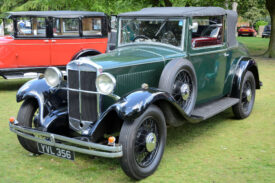
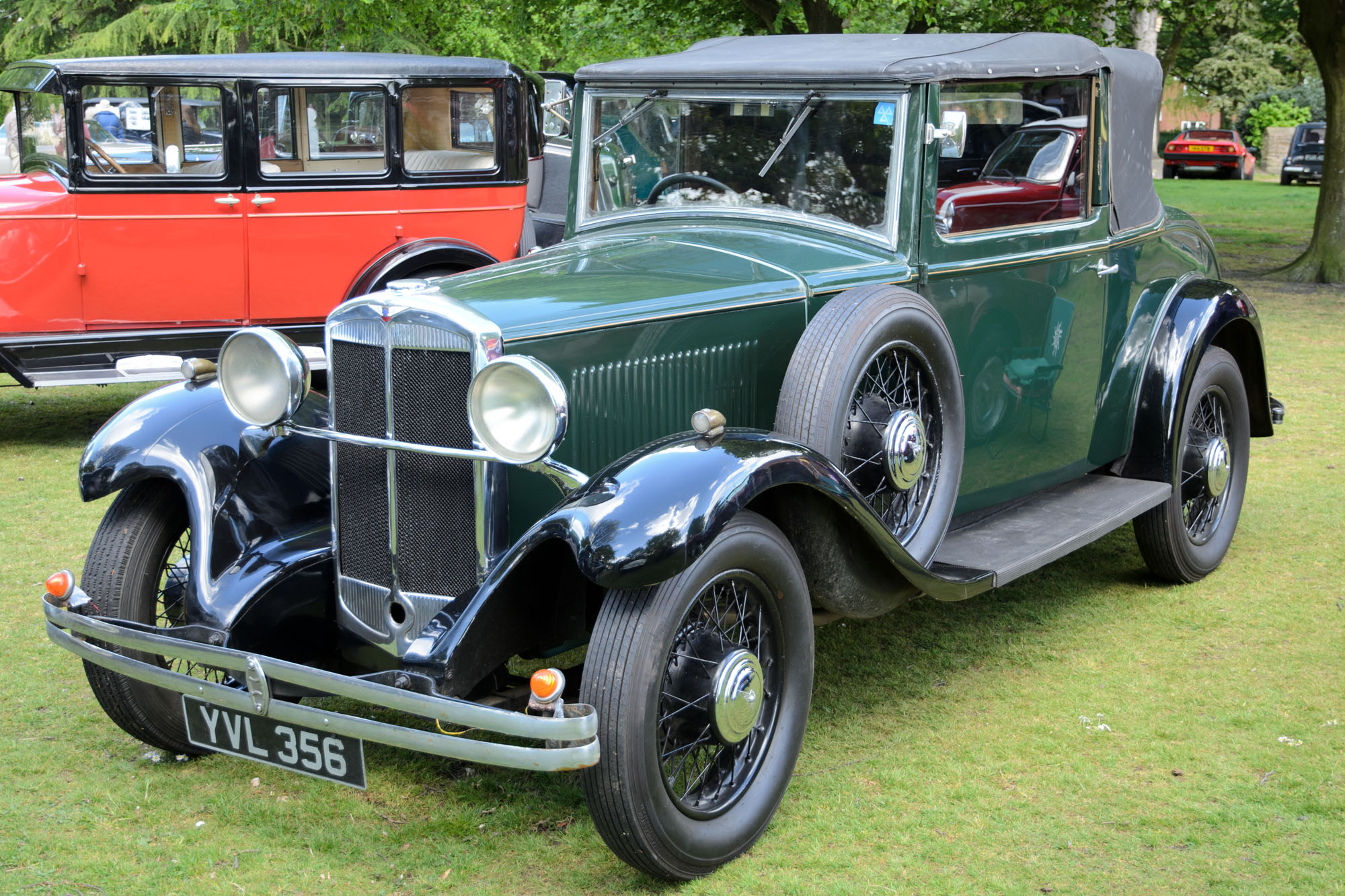
I recently read an article which referred to the fact that the Rootes brothers had planned to launch a “World Car” in the early 1930s. This was news to me, and after talking to members of the Rootes Archive Centre Trust, I decided to find out more about the Hillman ‘Wizard’.
Arch salesman William (Billy) Rootes had been impressed by the rapid expansion of American car companies into world markets. Not only were they successful in North America but they were selling their products overseas too, including to countries of the British Empire.
A British World Car?
The British Council, whose main responsibility was the furthering of British commercial interests and culture in overseas markets, suggested that British producers should adopt a more aggressive attitude when dealing with competition in overseas territories. One of the ideas proposed was that Austin and Morris might combine to develop a car for export. Apparently Billy Rootes opposed this idea, perhaps he perceived it as giving the two largest British firms a potential unfair market advantage. Instead he advocated that a special factory be created to produce a vehicle solely for export. In other words, he might have been promoting the concept of a British ‘world motor car’.
His idea came to nought as the MacDonald Labour government refused to fund the scheme, rebuffing the entire project. Despite rejection, Billy Rootes persevered with attempts to break into overseas markets with modified versions of the 3.5 litre Humber Snipe and the launch of the brand new Hillman Wizard.1
This was a great idea which had already been realised by Henry Ford with his Model T and would be reprised, after WWII, by Volkswagen with their Beetle. Unfortunately, the Wizard was ill conceived even though great effort was put into its development. Unlike the Model T and the Beetle, the Wizard was not designed as a “people’s car”, far from it. It was aimed firmly at the aspiring middle class with its straight six engines of 2.1 and 2.8 litres. The launch slogan, which probably meant more at the time than it does now, was “car of the moderns”.
The Wizard’s launch
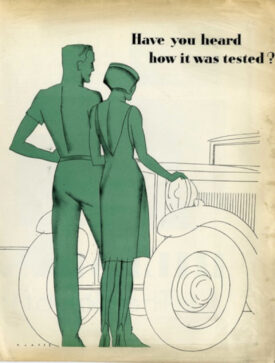
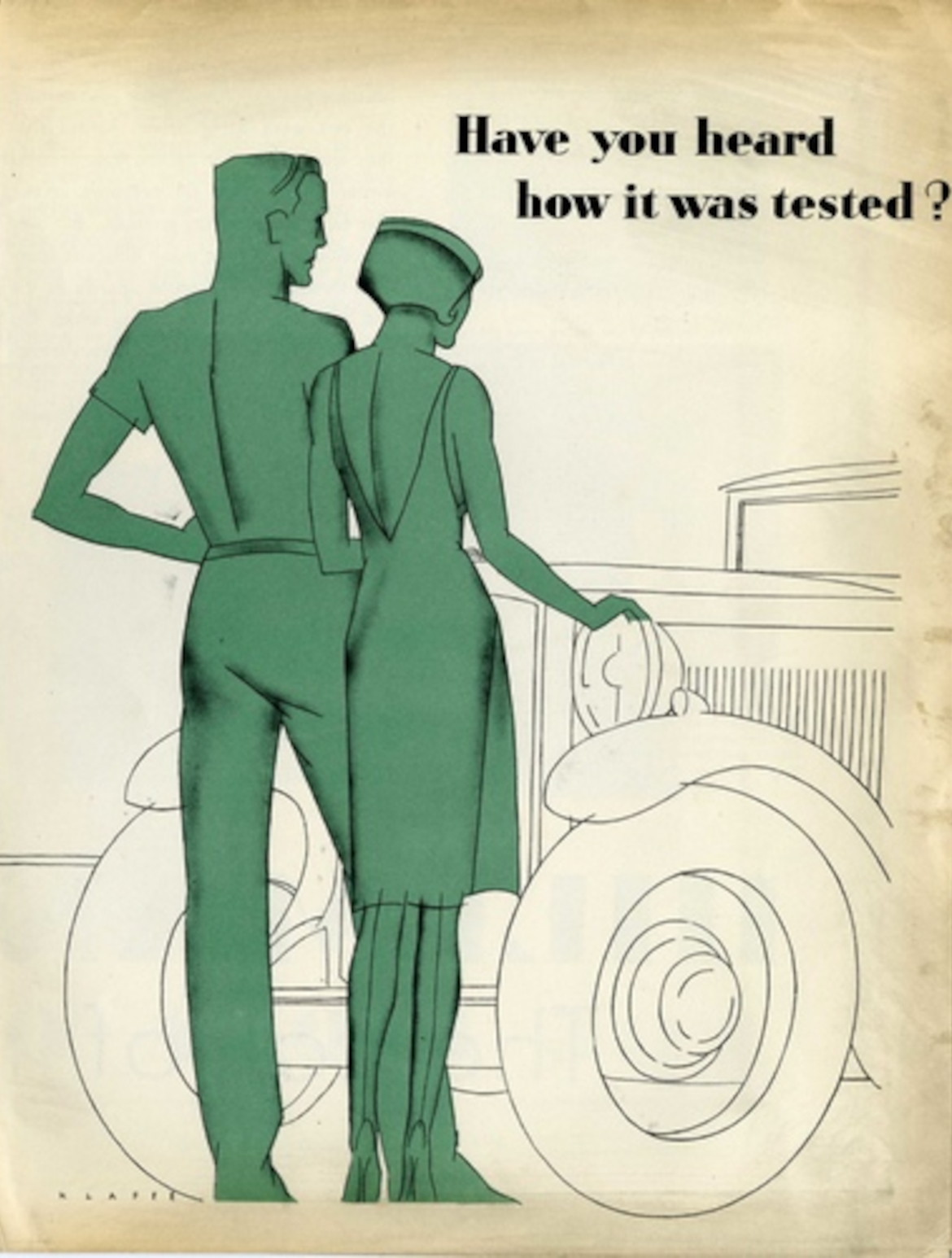
Rootes’ ambition for the Hillman Wizard was that it should appeal to car buyers in all the world’s established car markets and a great deal of effort had been put into its development including testing in extreme conditions in Europe and Africa. For me and I am sure, the British motor industry at the time, the most outstanding thing about the Hillman Wizard was the launch event held at the Royal Albert Hall, London. There have been some spectacular car launches held over the years and the Wizard certainly fell into this bracket, especially considering the poor economic climate existing at the time. Country Life referred to the launch event as:
an inspired thought on the part of its sponsors, seeing that it represents the very last word in a British attempt to capture world markets, to introduce it for the first time in the Albert Hall in London, and to give it a proper send-off in proper surroundings… to inaugurate the ‘Wizard’ every resource and ingenuity was employed. The stalls of the Albert Hall were made into seats for a luncheon, at which some eight hundred dealers and others were present… During luncheon a screen at one end of the hall over the organ showed cables from all over the world, and at the close a film was shown of the car in all the stages of its production and tests. During this film mysterious boxes in the amphitheatre were opened, and there stood the cars each attended by experts who were prepared to explain every detail.2
Better luck next time
Unfortunately the Hillman Wizard proved to be the wrong car at the wrong time. It is estimated that about 3,250 Wizards were sold in 1931, approximately 2,186 in 1932, and even less in 1933. Fortunately Rootes got their next car, the Hillman Minx, exactly right; this car and future Minx models became firm favourites with the car buying public both in the UK and Commonwealth countries.
References
1 Begley, J., Donnelly, T. & Collis, C.. “The Rootes Group: from growth to takeover.” Coventry University
2 Country Life, 2 May 1931, page xiii
The full version of this article was originally published in the April 2025 edition of the Rootes Archive Centre Trust Gazette newsletter.





Comments
Add a comment about this page