
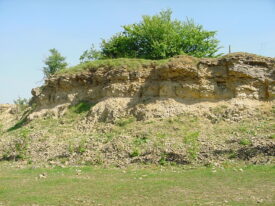
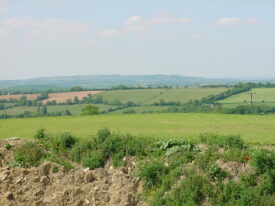
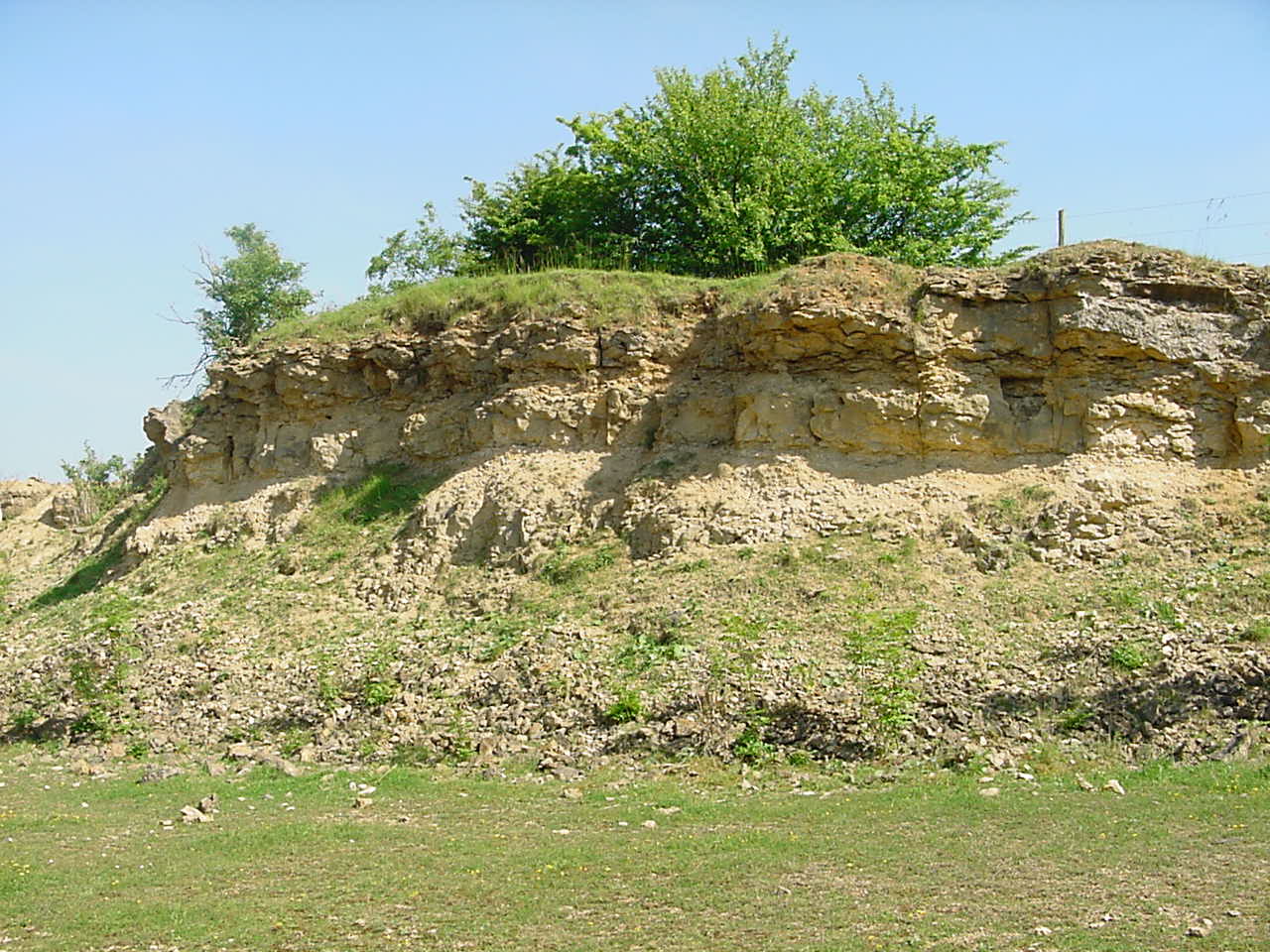
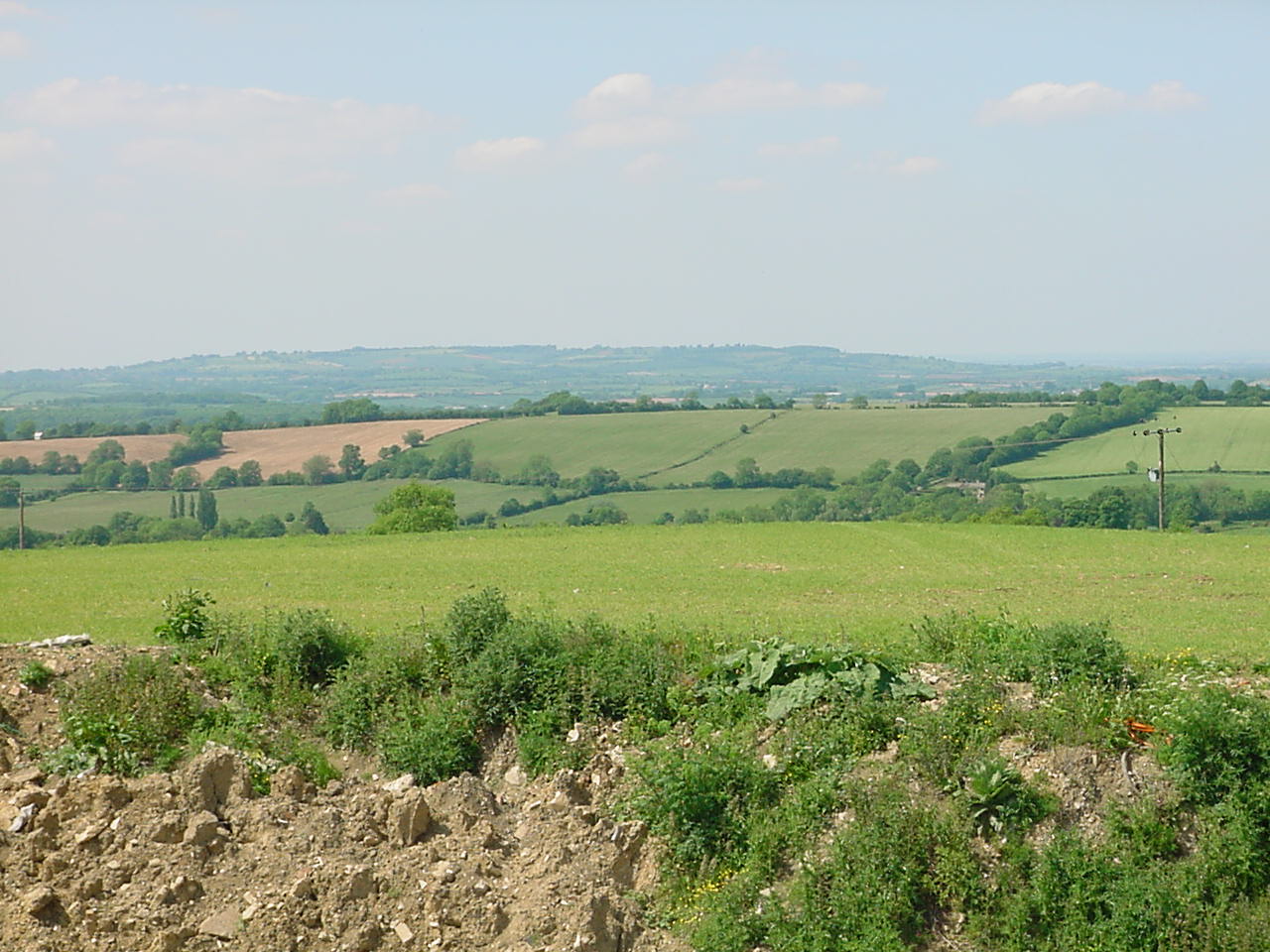
Cross Hands Quarry is a disused limestone quarry at the southern tip of Warwickshire, close to the Oxfordshire border. Representing part of our county’s hilly Cotswold fringe, it occurs in the scenic upland ridge south-west of Long Compton with far-reaching views, forming part of the Cotswold Hills Area of Outstanding Natural Beauty. The location owes its character to the underlying Cotswold limestone beds, formerly dug at Cross Hands Quarry for walling stone, and latterly, during World War Two as a source of aggregate for airfield runways.
Many fossil creatures
After it fell into disuse, Cross Hands Quarry was selected as a Site of Special Scientific Interest for its rock faces exposing the so-called Clypeus Grit and overlying Chipping Norton Limestone beds. The Chipping Norton Limestone in particular includes hard rough limestone, good for walling. Collectively these limestones are around 170 million years old, dating back to the middle part of the Jurassic Period. They formed as layers of shelly sand and mud in a shallow subtropical sea that covered parts of England and contain many fossil creatures – especially shellfish and corals – that tell us just how warm and shallow the sea was.
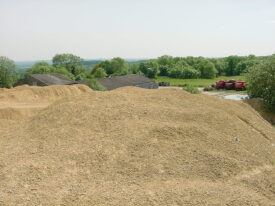
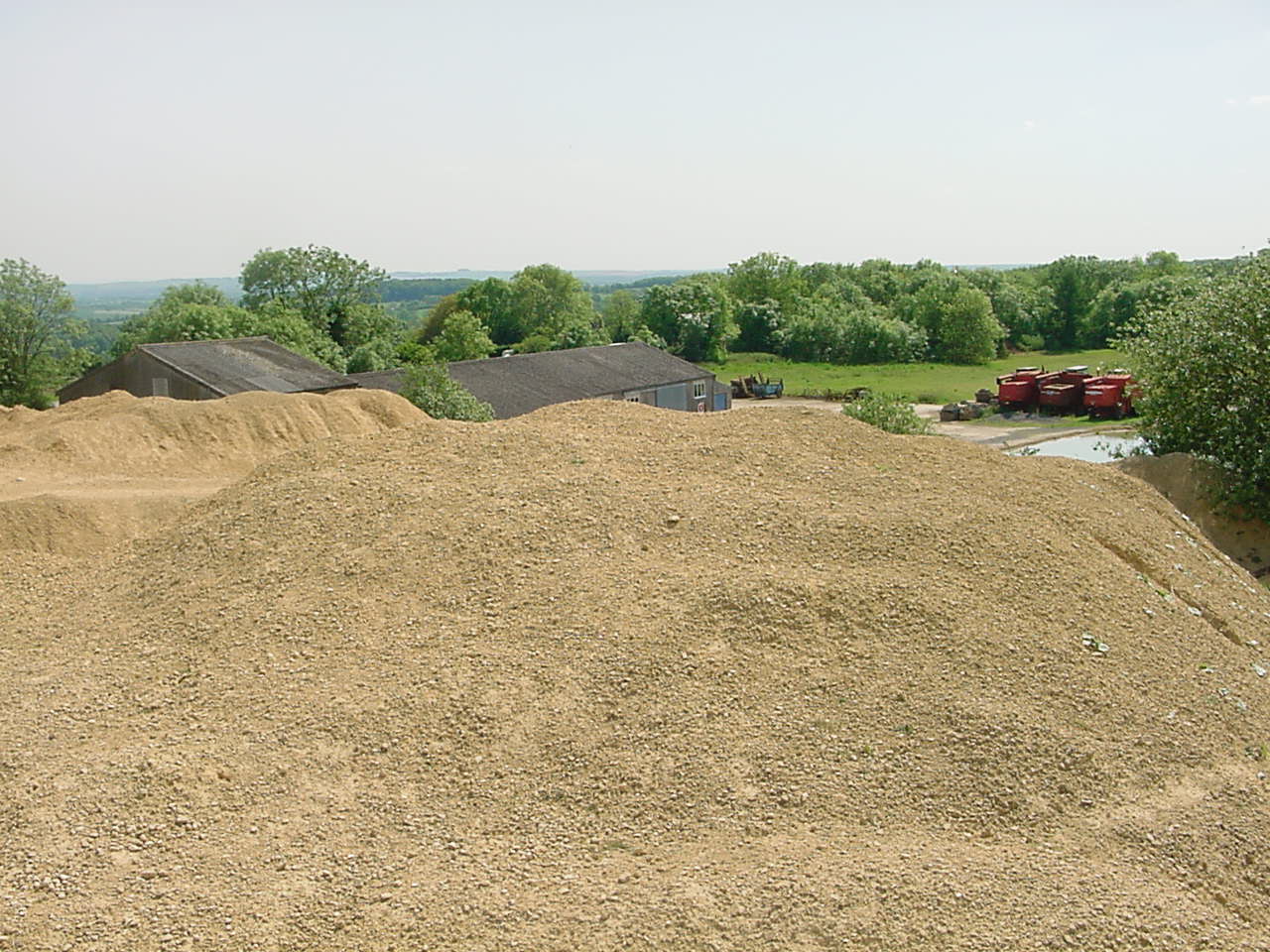
Cross Hands Quarry has long been an important educational resource for the Warwickshire Museum. Old spoil tips of crushed stone contain many fossils which can be picked up easily and safely without tools by people of all abilities and ages. School parties and family groups have long been offered trips to the quarry, to experience Warwickshire’s own Jurassic Park.
Benefitting Warwickshire’s museum collections
The museum collections have benefited immensely from the old quarry site. Dozens of fossils from Cross Hands are housed among the geological collections at the Museum Collections Centre, and a selection of these are currently (2025) on display at the Market Hall Museum. Amongst these, the centrepiece is the remains of a carnivorous dinosaur, Cruxicheiros newmanorum, discovered in the Chipping Norton Limestone in the early 1960s. It was formally named after the quarry and the current landowners, the Newman family, who have kindly facilitated museum visits over several decades. The bones were originally housed in the collections of the Birmingham City Museum and Art Gallery, and transferred back to Warwickshire in 2009.
A personal note
On a personal note, I’ve been visiting the quarry to help with the family fossil hunts since I started working at the museum over 25 years ago. The site has changed; active landfilling has now stopped, and the area is now a haven for wildlife and plants that thrive in calcareous soils, as well as a camping and glamping site.
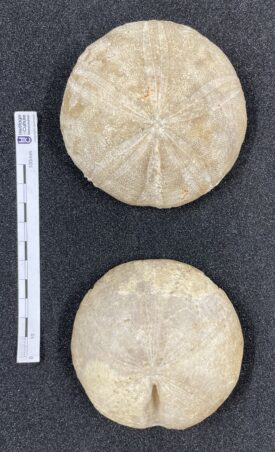
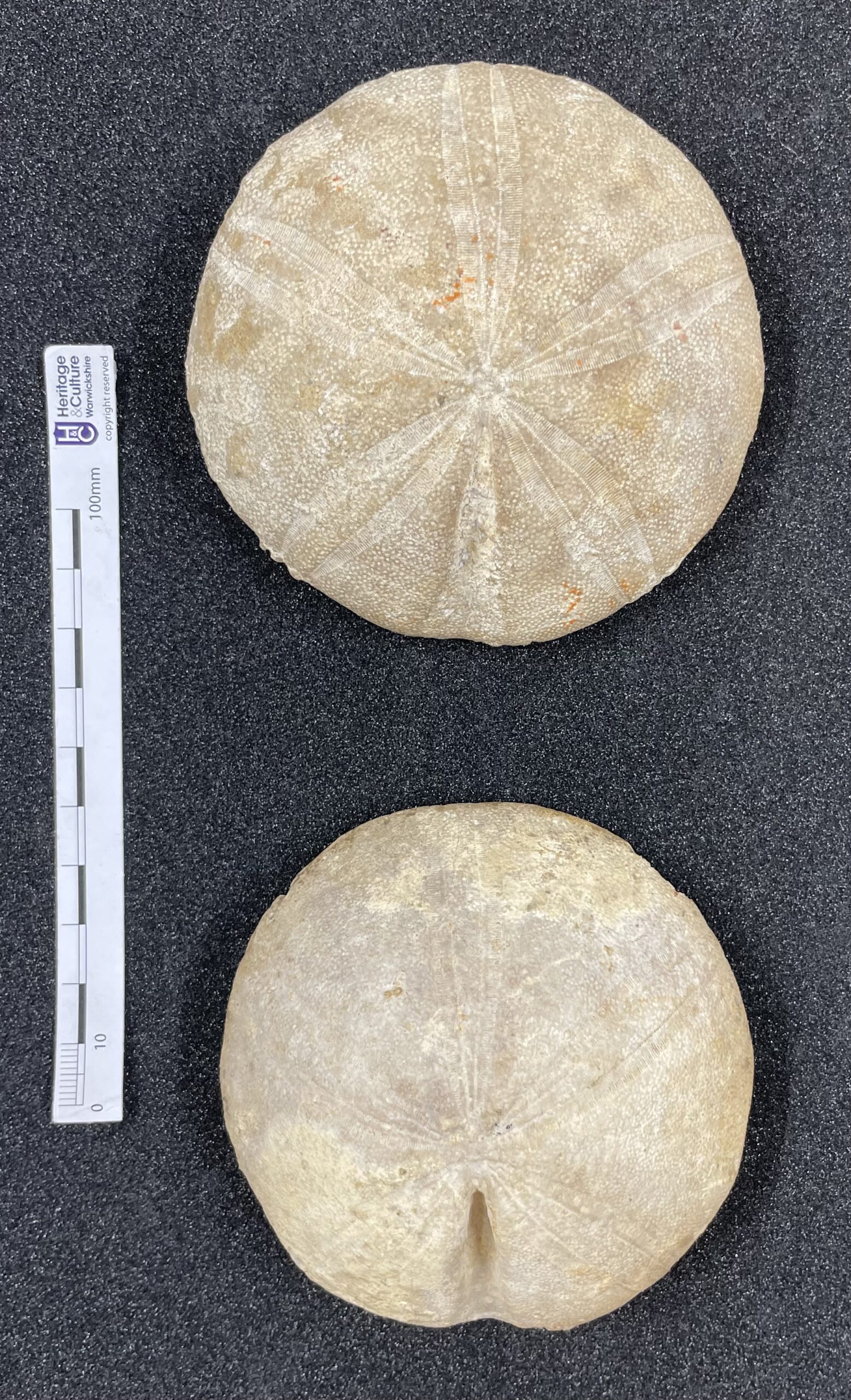
Amazingly, the fossils just keep on coming, despite thousands having been taken away over the years, hopefully inspiring their discoverers to find out more about Jurassic Warwickshire and geology in general. Clams, sea-snails, spectacular flat sea-urchins (‘sand dollars’), tiny corals and so-called ‘lamp-shells’ (unusual shellfish known as brachiopods) still turn up on the tips of crushed rock every year, showing no signs of ever diminishing. This is partly down to weathering, the action of rain constantly washing away dust and clay to reveal the tiny fossils standing proud on fragments of limestone.
Hopefully this jewel in the crown of Jurassic Warwickshire will remain as a sustainable resource for many decades to come.





Comments
Add a comment about this page