
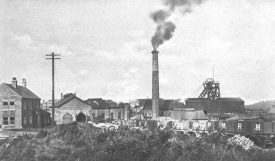
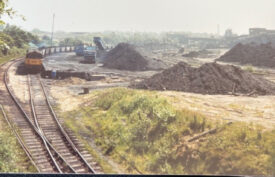
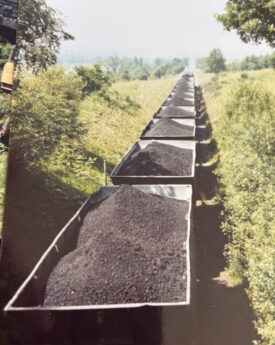
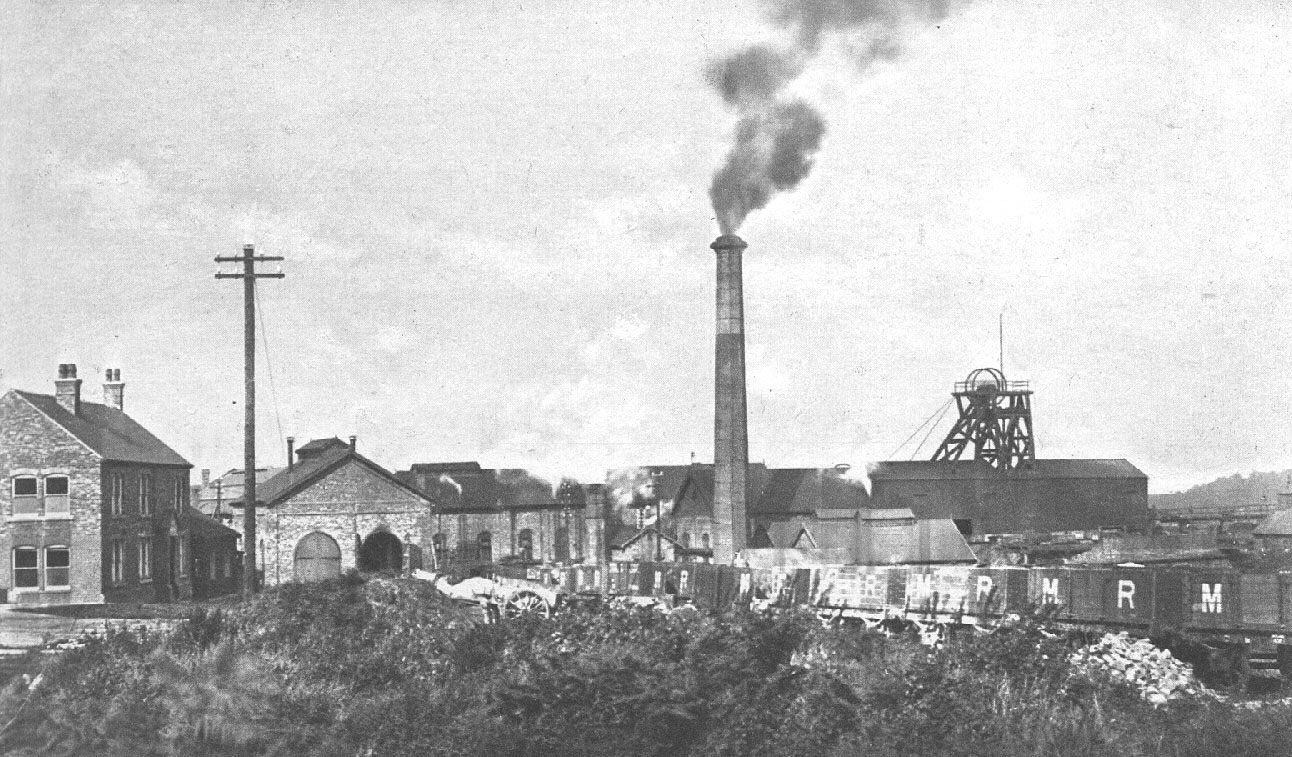
Baddesley Colliery was sunk in 1850 in an area of Baxterley Common after the Stratford Dugdale family had acquired the land and mineral rights of Baxterley Hall in 1848. The ceremony of Turning the First Sod was performed in May 1850 and two shafts, known as the Stratford Pits, were sunk.
By 1876, the reserves in the Ryder Seam were diminishing, and it was necessary to work coal in a new area down the dip. Water in the new area had become a problem, and various methods of removing it had been tried but proved unsuccessful. A consultant mining engineer, Mr Gillett, was brought in. Gillett had previously specialised in this area and recommended that a self-contained engine boiler was placed in the return airway at the extreme deep of the workings which supplied steam to work a small engine to pump the water up the incline. Gillett specified that the boiler should be placed on a brick platform, and a brick archway should be built around it. Mr Parker, the manager, had the boiler installed but the brick archway was never built. This had catastrophic consequences, starting after the boiler had only been alight for a short time and the miners noticed the coal above the boiler was starting to glow red.
The Baddesley Colliery disaster
This is dealt with elsewhere on the site. See here for a snapshot into the fire from an account written by Frederick Marsh to a Miss Gilbert. For a more detailed account of the tragedy, follow this link (external).
Increasing demand for coal
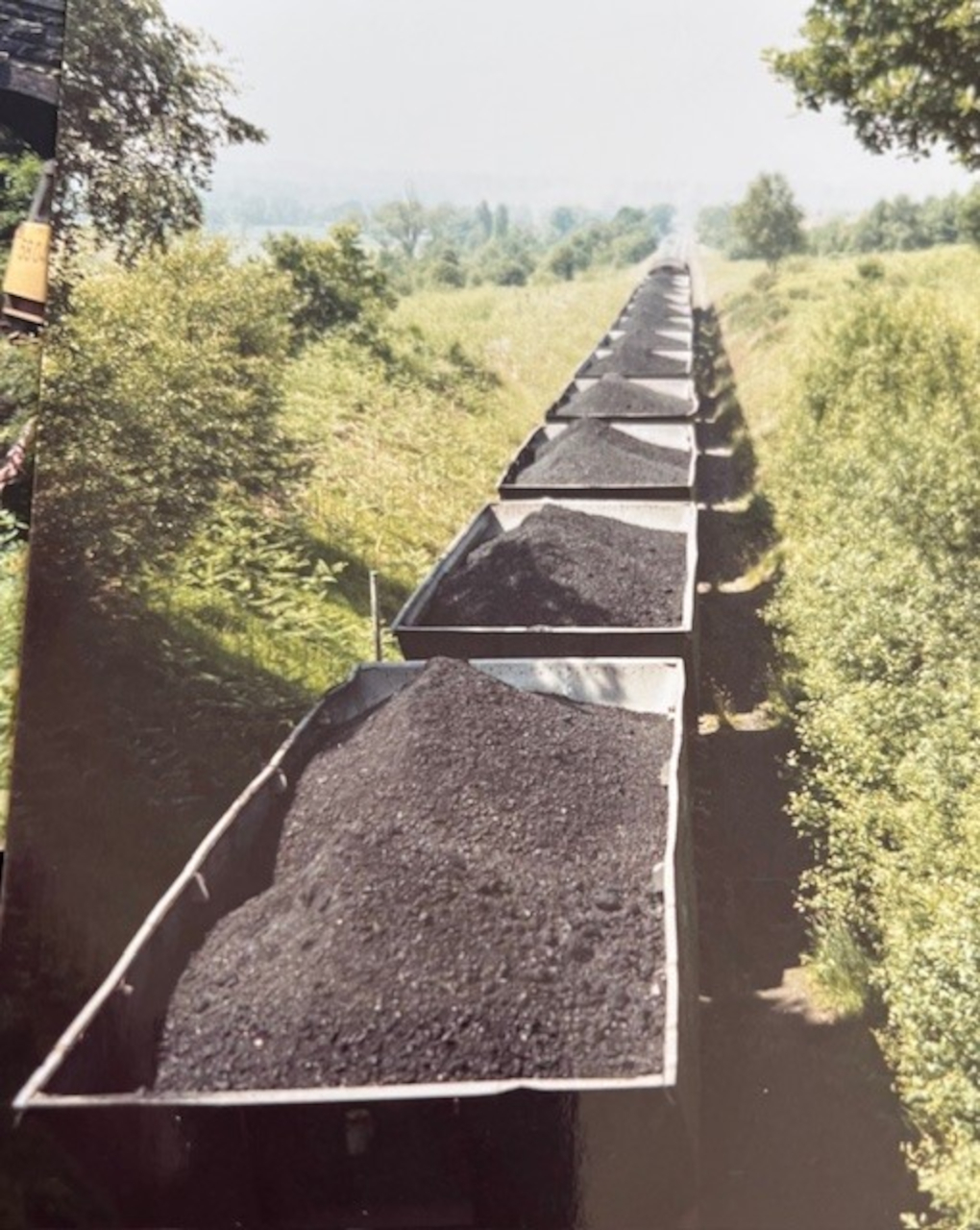
The disaster was not the end of the pit however. A third shaft was sunk in 1897 in response to the increasing demand for coal. During the first hundred years of its existence, Baddesley Colliery had produced coal from the Two Yard (Ryder) Seam. After nationalisation in 1947, the production of coal became more mechanised, and coal was produced from four different seams: Two Yard, Nine Feet, Seven Feet and Bench.
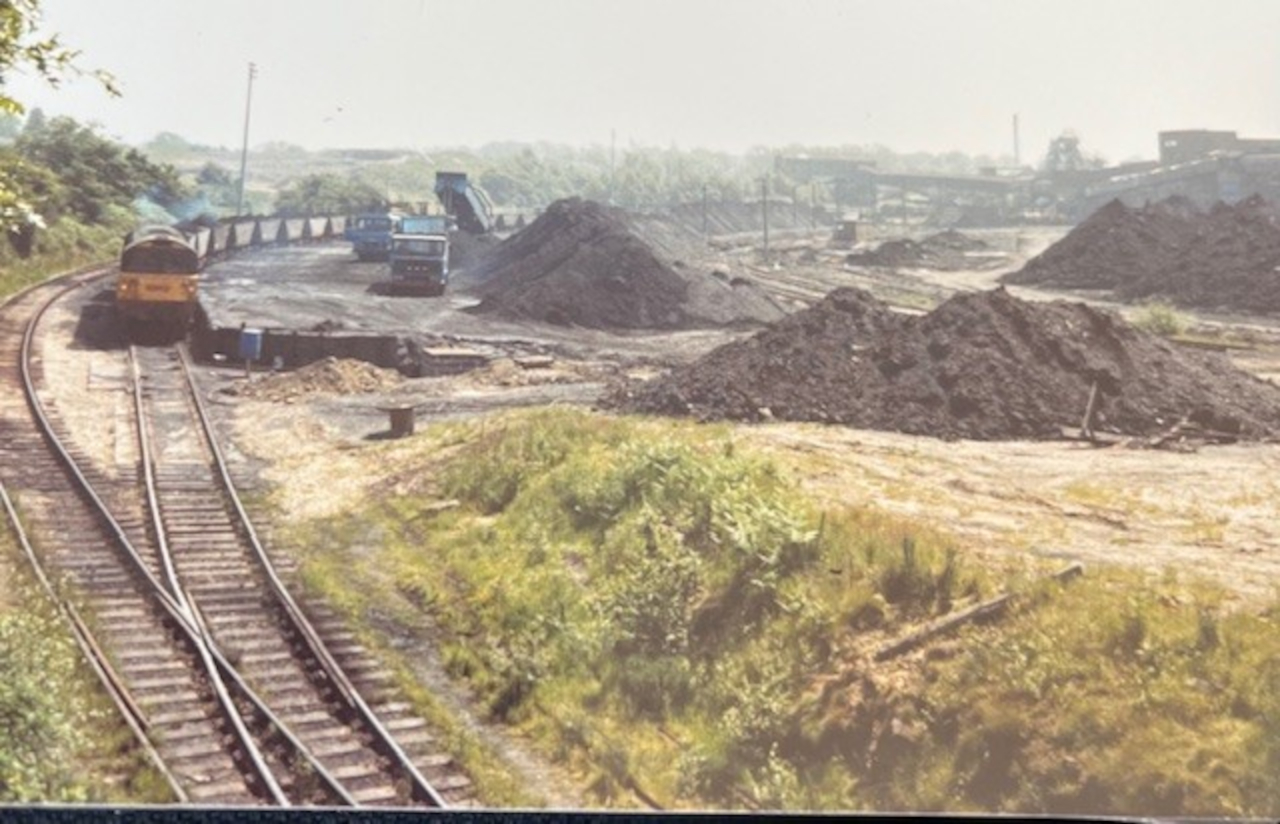
Baddesley Colliery continued to be modernised under the National Coal Board. The first armoured face conveyor was installed in 1952, and in 1958 underground locomotives were introduced. The steam winders were replaced by electric winding engines in 1955 and 1961. In 1962 a new coal preparation plant was opened. In the colliery’s later years, a new lamp room and a computer-operated belt control room were brought into commission.
Geological problems
In 1988, Baddesley Colliery began to experience geological problems and productivity fell to such an extent that it was losing £300,000 per week. It closed in 1989 with the loss of 650 jobs. A number of the mineworkers transferred to Daw Mill Colliery, but many took early retirement or redundancy.
To view records relating to Baddesley Colliery held at Warwickshire County Record Office, click here.
References
Fretwell, L. (2005) ‘Baddesley (Stratford) Colliery’, The Warwickshire Coalfield, Vol. 2, pp. 74-121.
Northern Mine Research Society. (n.d.) ‘Warwickshire Coalfield’. [Accessed 30 March 2020].
Parton, C. (2013) ‘The Baddesley/Baxterley Pit Explosion 1882’ [Accessed 22 March 2021].
Warwickshire County Record Office reference CR3166/1/3.
Winstanley, I. (n.d.) ‘Baddesley Colliery Explosion – Atherstone – 1882’ [Accessed 22 March 2021].





Comments
Add a comment about this page