
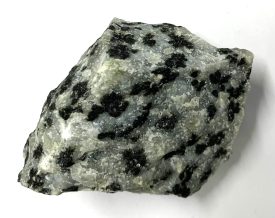
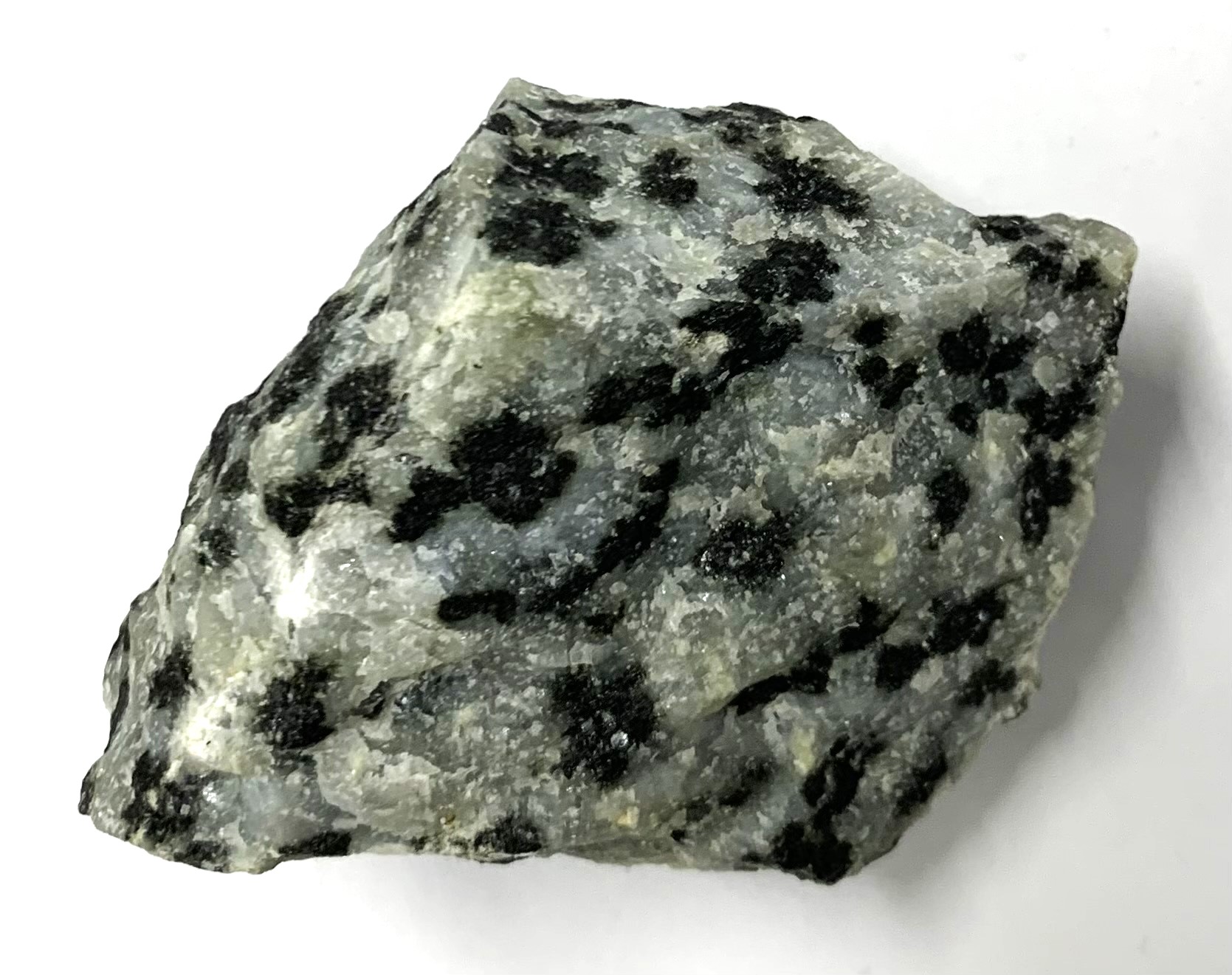
Today, geological collecting at the Warwickshire Museum focuses upon specimens either from Warwickshire, or collectors with close links to the county. In the past however, the museum collected much more broadly. Some of these far-travelled specimens have amazing stories attached to them. One such specimen is an attractive-looking chunk of fresh, crystalline syenite, a commonplace igneous rock, similar to granite.
How did it get to Warwickshire?
Quite how this specimen came to be in our collection is unknown, but it led to a spot of investigation, revealing a remarkable story of adventure, hardship, tragedy, and achievement.
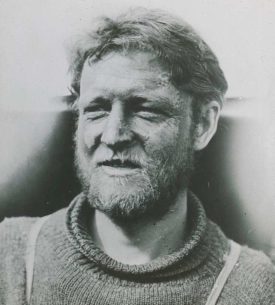
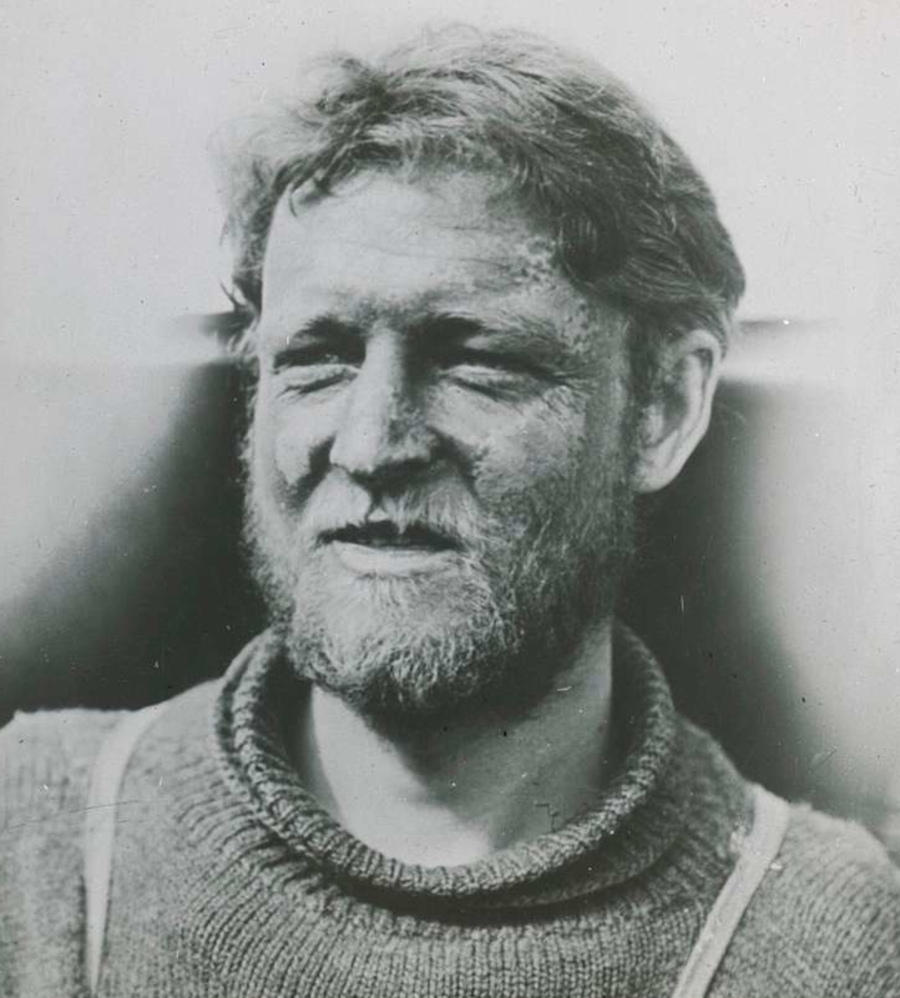
Cecil Thomas Madigan’s lifelong physical and academic achievements were remarkable, reflecting a time where exploration and endeavour were commonplace, and hardship and loss were entirely acceptable in the pursuit of knowledge and national interests. He was born in rural South Australia in 1889. Despite the death of his father in the Kalgoorlie Goldfields, he studied geology and mining at the University of Adelaide and the South Australian School of Mining. Following these studies, he deferred a place at the University of Oxford after being offered the position of meteorologist on the 1911-1914 Australasian Antarctic Expedition, at the age of 22.
Death and frostbite
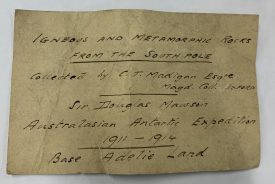
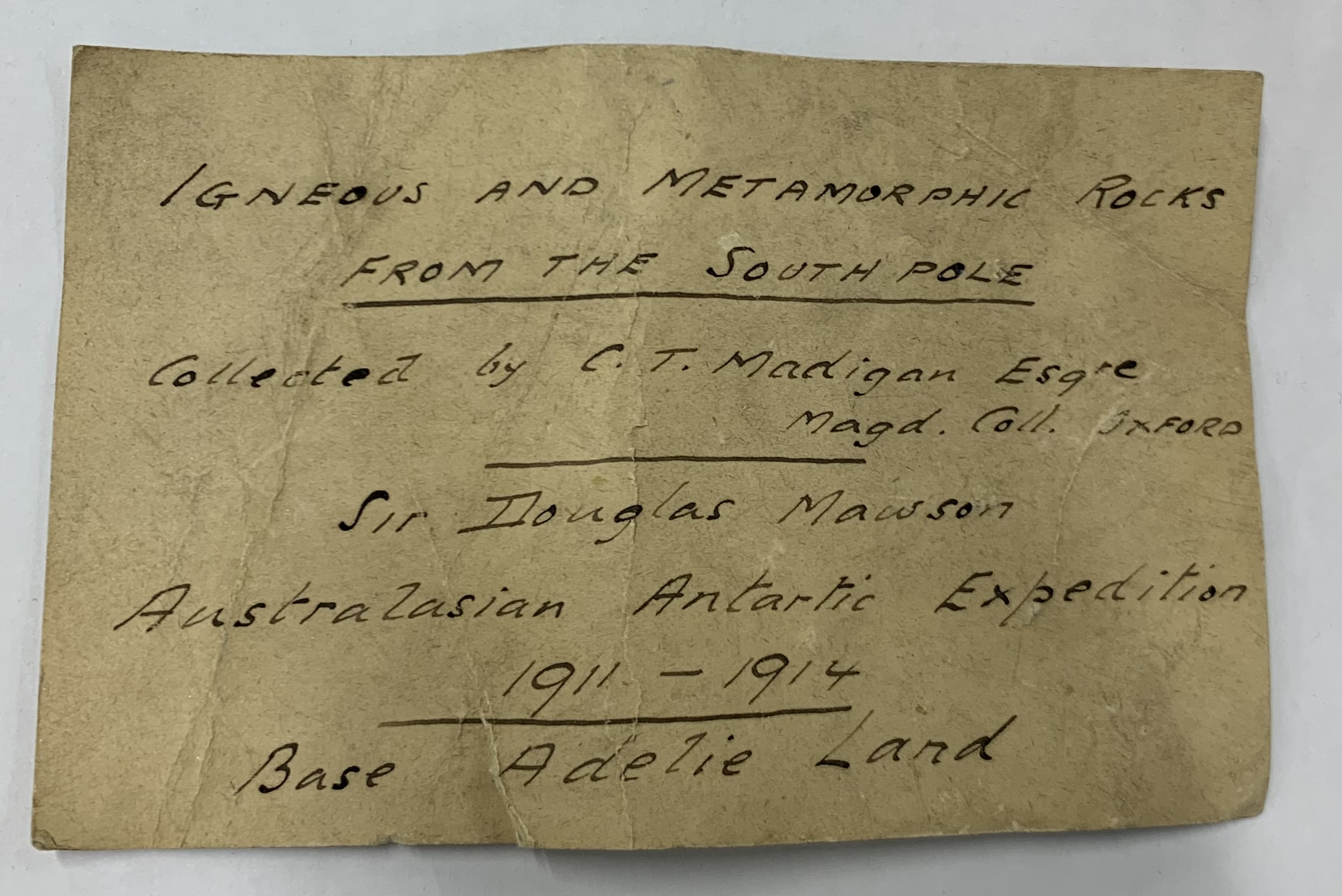
The expedition was undertaken on a converted whaling ship named the Aurora, navigating nearly 3000 kilometres of uncharted Antarctic coastline. Madigan led expedition parties to remote Adélie Land and George V Land, collecting geological samples including the first-known Antarctic meteorite and specimens confirming the presence of economically important coal. Our syenite sample from Adélie Land must have been collected by Madigan and his team in what must have been very hostile conditions, amongst a storm-swept landscape of glaciers and bare rock.
The expedition ran into many problems. Delays due to ice, accidents, injury, loss of dog teams and the tragic deaths of crew members. Snow blindness and frostbite took their toll on the crew, including Madigan. On his return to Australia in 1914 he was awarded the prestigious Polar Medal and undeterred, he signed up to fight in France where unfortunately, he was injured at the Battle of Loos on the Western Front in 1915.
Moving closer to Warwickshire
Following the war, Cecil took up his long-deferred scholarship at Oxford. As well as studying geology, he achieved sporting notoriety and awards in both boxing and rowing. In his following years at Oxford, he attained Bachelor’s and Master’s degrees in geology, before returning to the University of Adelaide in 1922 as Lecturer in Geology. He was latterly awarded a doctorate from Oxford. The old label with our specimen leads me to think that it came into the Warwickshire collection during his Oxford years, before he returned to Australia.
At the University of Adelaide, Madigan was very popular with students due to his reputation as a fearless and adventurous field geologist. He explored Australia’s arid interior, overseeing aerial surveys of the most inaccessible desert areas, establishing mobile radio as an effective communication method, and publishing his results in Australia’s highest-profile scientific journals. By the early 1930s his interests in meteorites and their impact craters led to important discoveries in the Northern Territory.
His memory lives on here
For several years during the Second World War Madigan worked for the School of Military Field Engineering in New South Wales, attaining the rank of Lieutenant Colonel. Following the war, back at the University of Adelaide, his research led to many awards, both at home and in the UK. He also wrote several books, documenting his travels in central Australia.
Madigan died young, at the age of 58 in 1947. His memory lives on here in Warwickshire, embodied within a small rock with a remarkable history.





Comments
Add a comment about this page