
Radway Grange
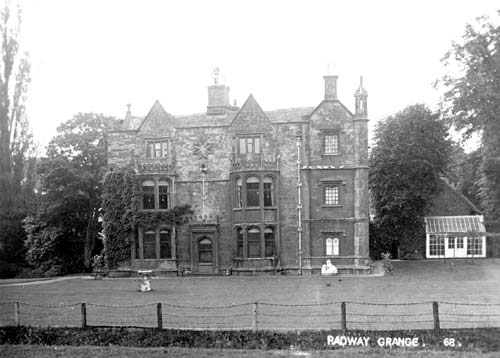
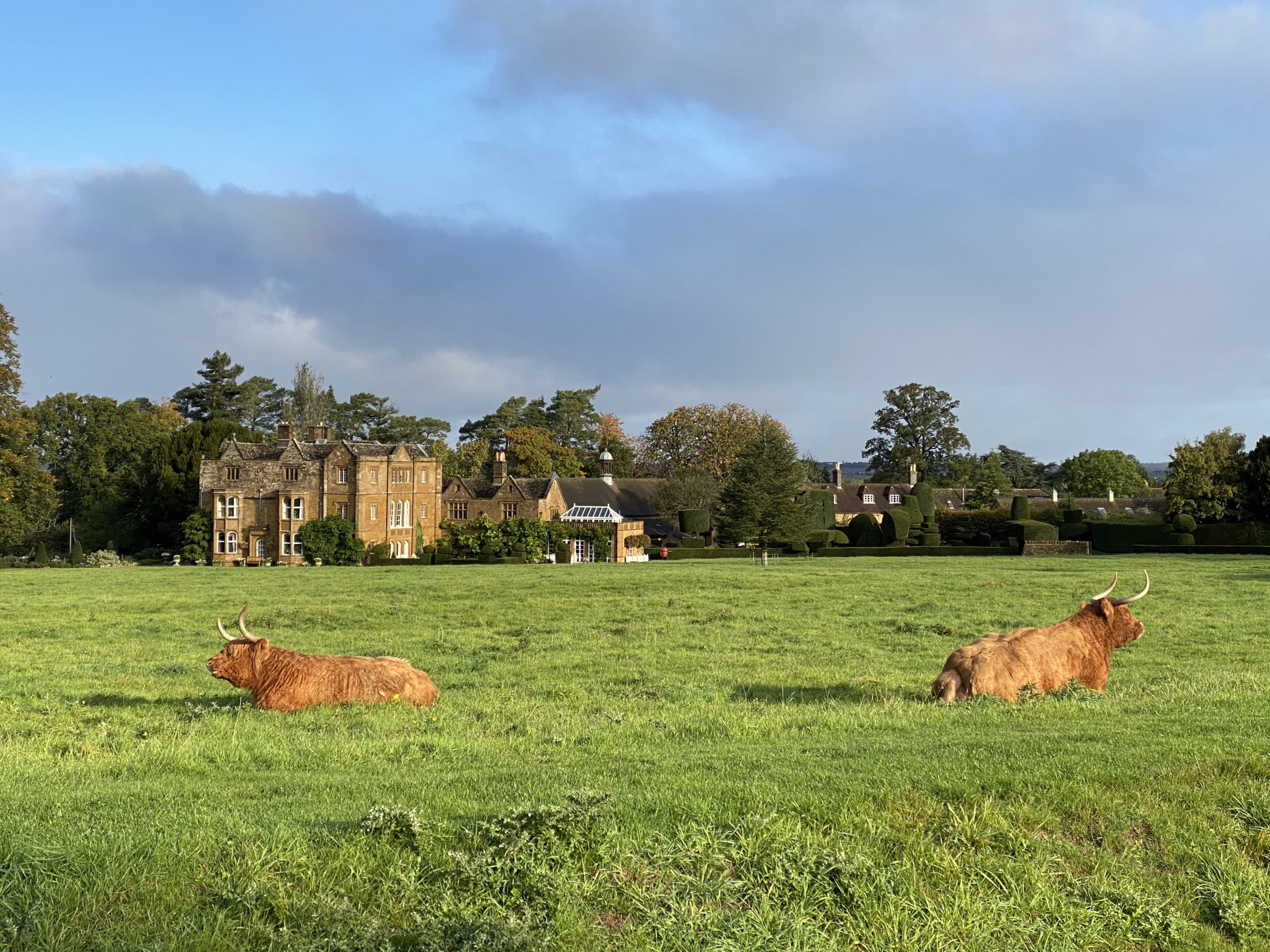
The current house known as Radway Grange was built in the Imperial period. The house lies 180m south east of St Peters Church, Radway.
1 Built at the end of the 16th century or beginning of the 17th century.
2 Once an Elizabethan house with two steep gables to each side and mullioned windows. On the N and W sides it is still like this. The property came to Sanderson Miller – the pioneer of the Rococo Gothic or Gothick style – in 1737. He began improving the house around 1745. On the S side he added two symmetrical canted bay windows and a doorway between. The doorway has a lacy cresting, the bay windows broad quatrefoil panels. A new E front was added, one bay deep, with a central loggia and a three window group above; all arches being four centred. The wing to the E of this front is of c.1900. Of the dark grey chimneypieces one is Gothick, one half Gothic, a third approaches the Jacobean.
- For the sources of these notes, see the
- Timetrail record
- produced by the Historic Environment Record.





Comments
Two famous visitors here in the eighteenth century were Henry Fielding, who may have written part of the novel, “Tom Jones” here, and William Pitt, later Lord Chatham, who planted some trees here.
Source: “Warwickshire” by Arthur Mee.
Add a comment about this page