
Brickworks at Brickyard Spinney
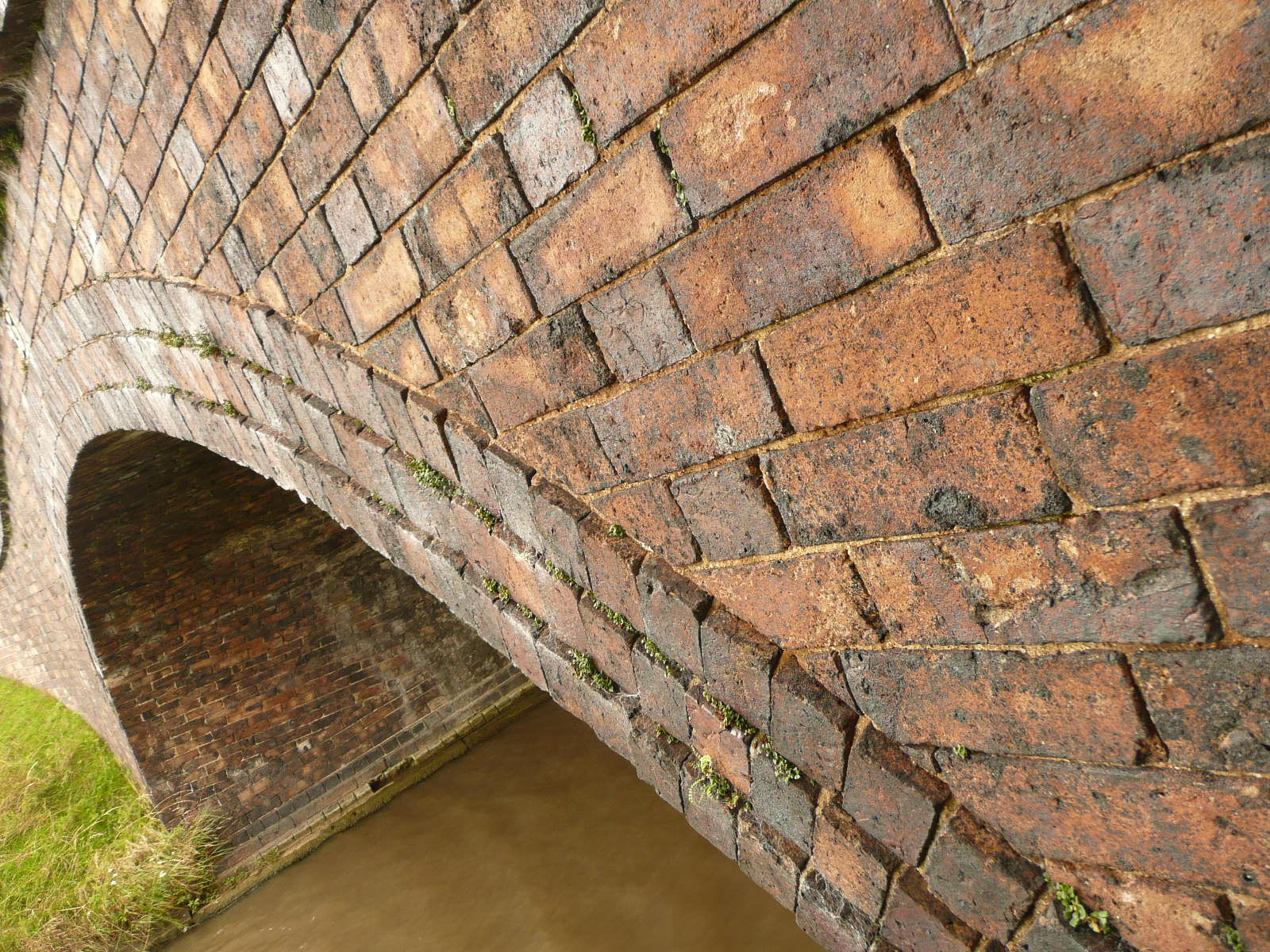
Close up of arch of Hungerfield bridge. The location of the bridge and the untypical nature of the bridge and its bricks suggests that it may have been built by skilled brick layers using locally made quality "engineering Bricks " of a type not found in any other Oxford Canal Bridges between Coventry and Rugby.
William Arnold
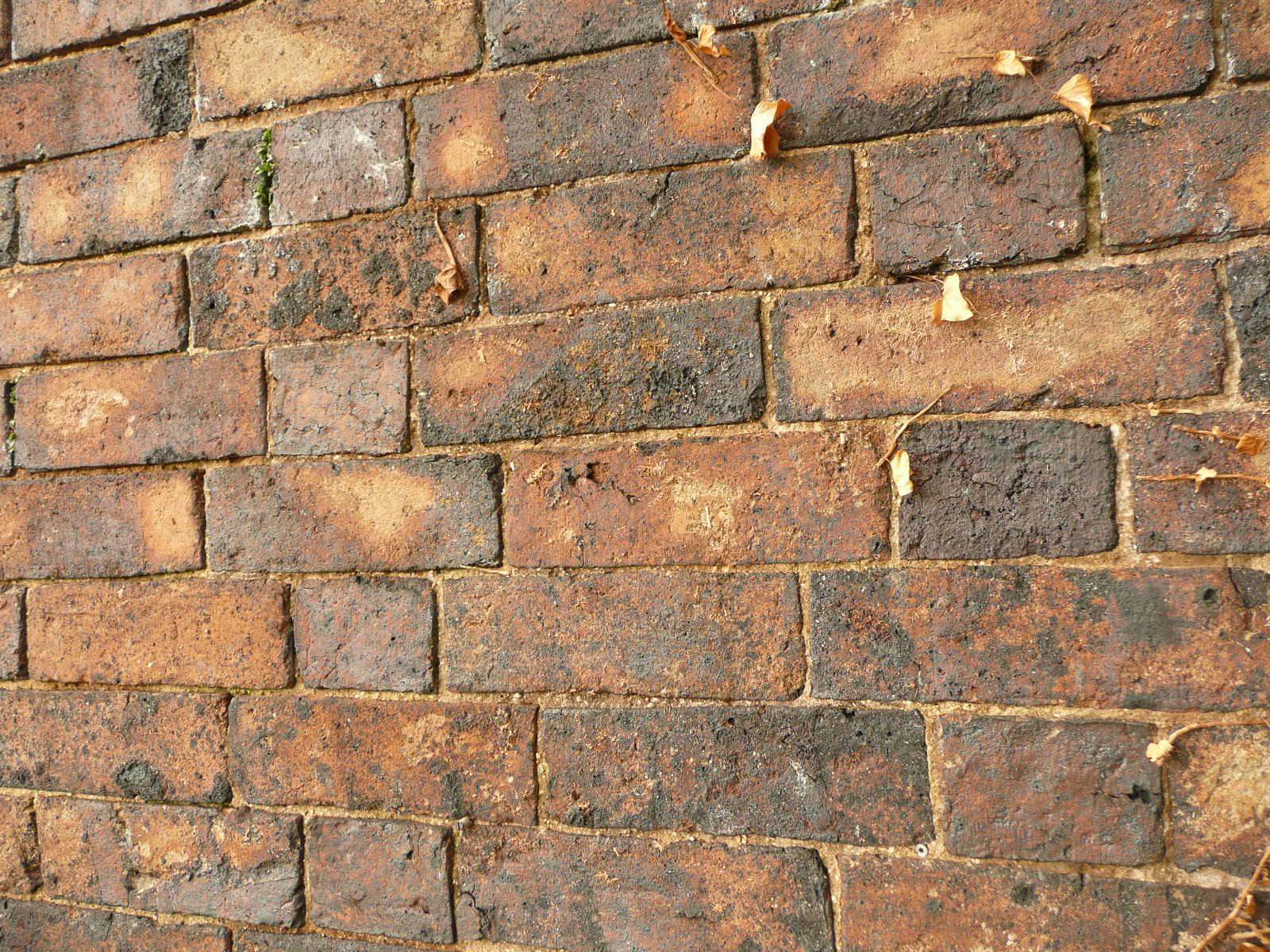
Brickwork of Hungerfield bridge the bricks are fired at a high temperature and some are almost vitrified. Some show dark markings indicative of the clay containing "vegetable matter"
William Arnold

Hungerfield bridge from east showing part of a range of canal side buildings possibly for brickmakers.
William Arnold

East face of Brickyard Spinney as viewed
William Arnold
Description of this historic site
The site of a brickworks, where bricks were made during the Imperial period. The brickworks is marked on a tithe map of 1839 and its remains are visible as earthworks. The site is located 100m south west of Hungerfield.
Can you help?
Notes about this historic site
1 ‘Brick Yard’ marked.
2 Two buildings marked. One is marked ‘kiln’. Earthworks to the N are marked ‘Brick Works (Disused)’.
3 Traces of quarrying, mostly flooded.
- For the sources of these notes, see the
- Timetrail record
- produced by the Historic Environment Record.





Comments
The two houses by the bridge were canalside pubs, the smaller one was called The New Inn (closed around 1840 and was only ever ran by John liggins, it was also a small holding). The bigger one was The Boat Inn, which started its life as 2 dwellings, a pub and a brick makers cottage. But in the late 1830’s the brick maker married the landlords daughter and in 1856 they purchased it from the Skipwiths at Newbold Revel and knocked it through into one dwelling, also raising the roof and adding a couple of extensions. It remained a pub until 1911.
The first mention of the brick works that I have found is in 1833 in a trades directory, it maybe older but I haven’t found any evidence. It is ran by the same man William Johnson, who buys it from the Skipwiths of Newbold Revel in 1856, I haven’t found any mentions of it as a working brickyard after his death on 1864.
Add a comment about this page